Welcome to Year 5

Year 5 is about becoming more independent learners, growing both academically and personally, and gaining the confidence and skills needed for the transition to Year 6. During this year, children build on their skills while expanding their knowledge in key subjects. They will explore advanced topics in mathematics and continue developing their literacy skills through creative writing and comprehension. In science, they will explore topics like the solar system, forces, and materials, fostering curiosity and critical thinking. Additionally, Year 5 helps children refine their problem-solving and organisational skills, preparing them for the increased responsibilities and expectations they will face in Year 6.

Upcoming events for Year 5

Here’s what you’ve got to look forward to over the next few weeks.

Year 5 Curriculum

Art and Design / DT / Food and Nutrition

At KS1 and KS2 we follow a two year sequence:

2024/2025 and 2026/2027

Autumn 1 – Textiles – batik

Autumn 2 – Painting

Spring 1 – Mechanical Systems: Pneumatics

Spring 2 – Collage

Summer 1 – Portraits, including mixed media

Summer 2 – Food Technology


2025/2026

Autumn 1 – Printing

Autumn 2 – 3D: Metal

Spring 1 – Electrical Systems

Spring 2 – Mechanica | Systems (axles and wheels)

Summer 1 – Portraits, including mixed media

Summer 2 – Structures

Computing

Each year through KS1-2 we cycle through the following units at increasing depth:

  1. Productivity
  2. Programming
  3. Computational Thinking
  4. Creativity
  5. Networks
  6. Communication/collaboration
English

Reading to Learn

Once children have been carefully assessed as having met the requirements of the phonics program, they should be able to decode any age appropriate text. At this point, children move onto our ‘Paradigm Literacy and Language’ program.

The program allocates 3 weeks to ‘fiction writing’ such as: stories, poetry, one week to ‘journalistic writing’ such as biographies and non chronological reports and two weeks to a ‘non fiction writing’ program in which specialist teachers across the Trust have worked together to create and provide high quality texts in The Humanities and The Sciences.

Geography

The following topics are repeated on a 2 year cycle in KS1, LKS2 and UKS2:

Unit 1: Dynamic Earth

Weather and climate across the world

Changes to our climate and the role of humans in this

Extreme weather events

Tectonic Hazards: earthquakes, volcanic eruptions


Unit 2: UK Geography

What is the UK and where do I live?

Using mapping skills to explore features in the UK

River and coastal landscapes in the UK

Urban environments in the UK


Unit 3: Environment, Climate and Us

The climate crisis and what we can do about it

Understanding life in tropical rainforests and the threats to them and what we can do.

Understanding life in desert environments and the threats to them and what we can do.

Understanding cold environments and the threats to them and what we can do.


Unit 4: Jobs and Wealth

Types of jobs, industry and places of work

Global trade and supply chains – where does my food come from?

What is life like in the world’s poorest countries?

What is life like in the world’s richest countries?

History

We cover two topics a year for History in Key Stage 1 and Key Stage 2. In Year 5 we take an in-depth study on the Significance of the Tudors, then Compare and Contrast Islamic World and Medieval Christendom.

Mathematics

Our school uses Maths Mastery to teach the subject.

In Year 5 we cover:

  • Reasoning with large whole integers
  • Integer addition and subtraction
  • Line graphs and times tables
  • Multiplication and division
  • Perimeter and area
Modern Foreign Languages

We study Spanish in Upper Key Stage 2, through a system called Early Start Spanish Programme.

Music

Autumn 1 – Rock

Autumn 2 – Big Band / Swing

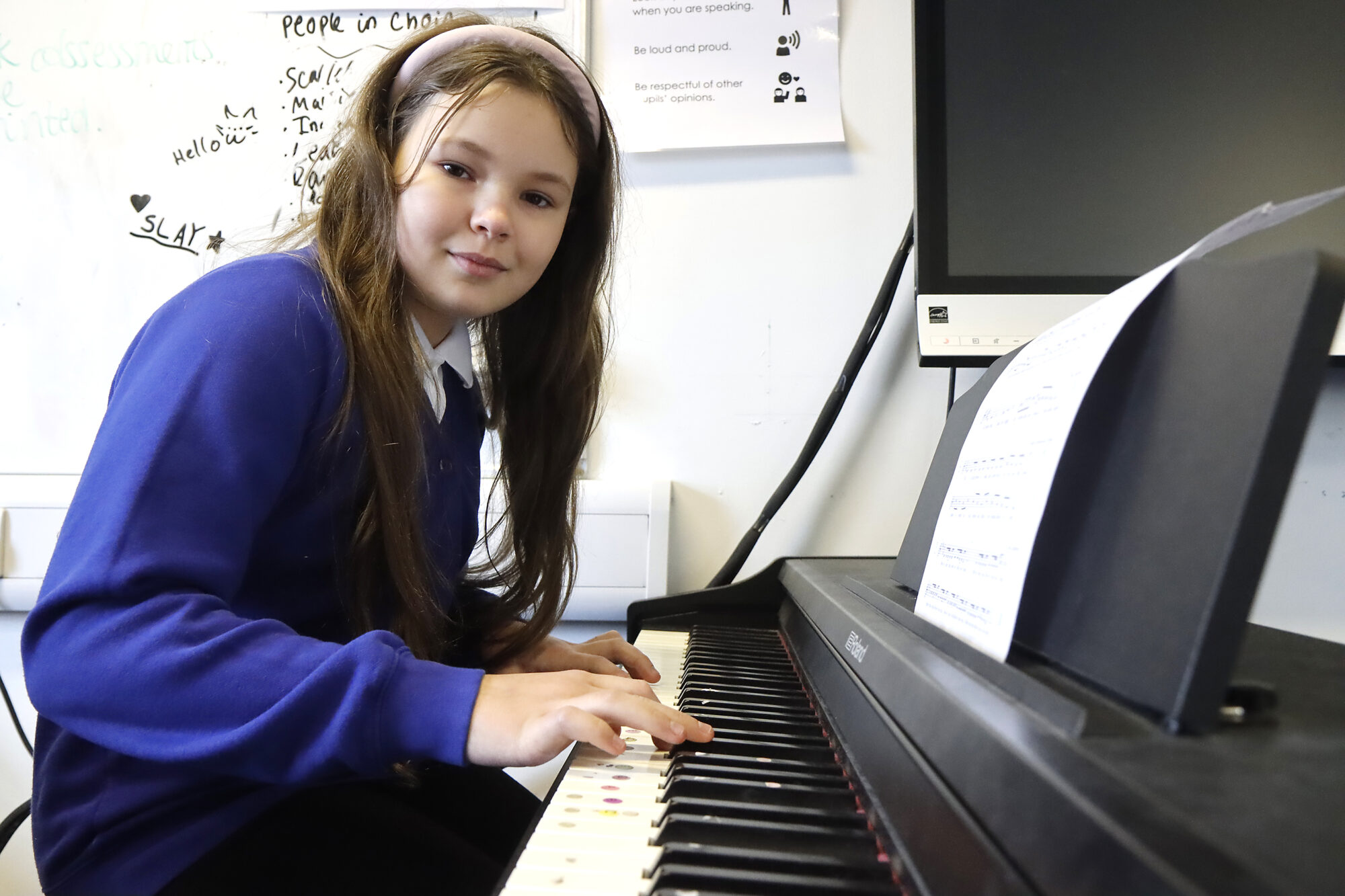
Spring 1 – Piano Music

Spring 2 – Opera

Summer 1 – Indian Raga

Summer 2 – Reflect, Rewind and Replay

PE
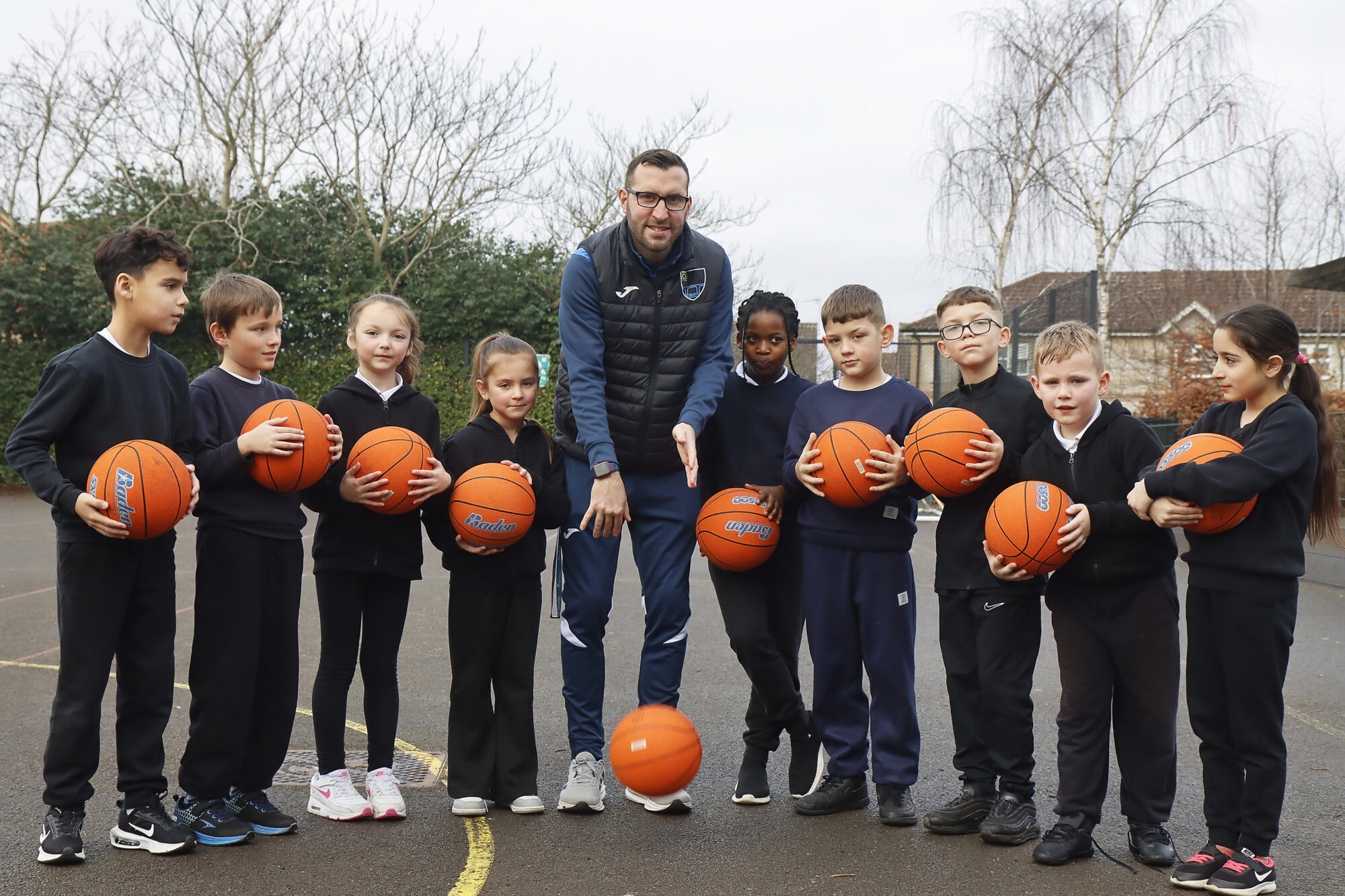
  • Striking / fielding (e.g. rounders, cricket)
  • Gymnastics
  • Invasion Games (e.g. hockey, netball, football)
  • Athletics
  • Swimming
  • Dance
Religious and Non-religious Worldviews (RE)

We follow a three-year cycle (see below) covering the major world religions as well as  worldviews.

The programme is designed so that each previously taught religion is reviewed and comparisons are drawn between the content. Over six years, each child will have studied each identified religion/non-religion twice, studying in greater depth and making connections between religions.

Pupils are taught key substantive knowledge for each religion and worldview and each lesson is broken down into one of 3 disciplines: Theology, philosophy and Human/Social Science.

2024-2025: Christianity and Islam
2025-2026: Judaism and Humanism
2026-2027: Hinduism and Sikhism

Parents/carers have the right to withdraw their child from all or part of RE – please contact the principal if you wish to explore this as an option.

RSHE and PSHE

The Paradigm primary schools follow the Jigsaw programme.

From September 2019 we have allocated 45 minutes per week to PSHE at KS1 and KS2.

  • Being Me in My World
  • Celebrating Difference
  • Dreams and Goals
  • Healthy Me
  • Relationships
  • Changing Me
Science

We teach Science on a two year cycle.

25/26 and 27/28

Autumn 1 – Animals including Humans

Autumn 2 – States of Matter

Spring 1 – Plants

Spring 2 – Electricity and Energy

Summer 1 – Living Things and Their Habitats

Summer 2 – Environmental Issues


26/27 and 28/29

Autumn 1 – Earth and Space

Autumn 2 – Living Things and their Habitats and Classification

Spring 1 – Rocks / Evolution, Inheritance and Fossils

Spring 2 – Forces and Magnets

Summer 1 – Properties of Materials

Summer 2 – Light and Sound

Our wider curriculum helps children to make connections between different subjects and real life, this is further developed by Hinterland opportunities. The children are encouraged to become more independent learners, taking greater responsibility for their work.
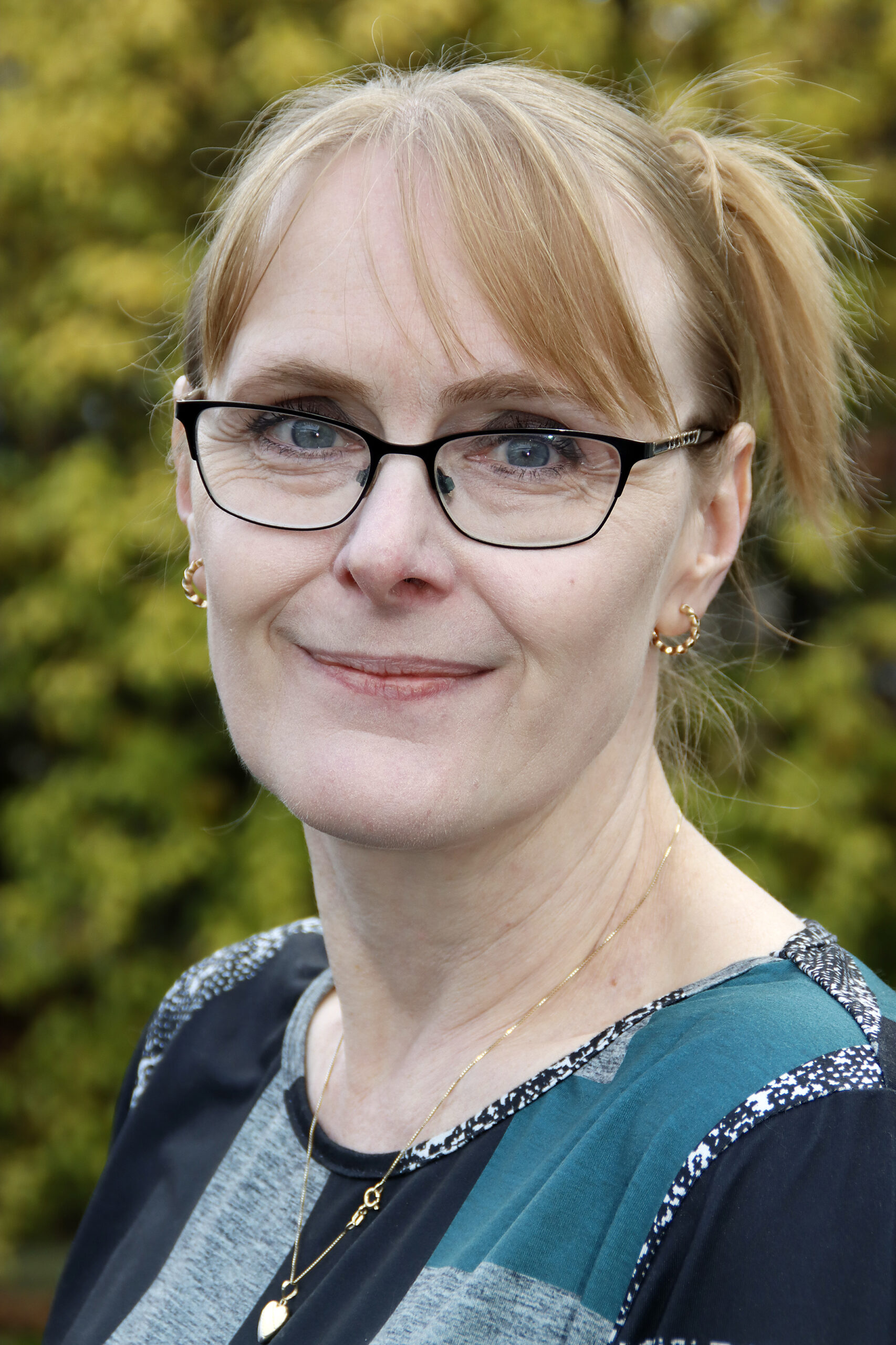
Paula Brown Assistant Principal: Year 5 and 6 Lead

INSET Days for this term are:

Tuesday 1st September
Wednesday 2nd September
Monday 2nd November

Pupils should not attend school on these days.


The first day back after the summer holidays for pupils is Thursday 3rd September 2026.

The first day back after the October half term for pupils is Tuesday 3rd November 2026.


Bank Holidays

Christmas Day: Friday 25th December 2026

Boxing Day: Saturday 26th December 2026

New Year’s Day: 1st January 2027

Term Dates
Start Thursday, 3rd September
End Friday, 18th December
Half Term Holiday Dates
Start Monday, 26th October
End Friday, 30th October
End of Term Holiday Dates
Start Monday, 21st December
End Friday, 1st January

INSET Day for this term is:

Monday 4th January

Pupils should not attend school on this day.


The first day back after the Christmas holidays for pupils is Tuesday 5th January 2027.

The first day back after the February half term for pupils is Monday 22nd February 2027.


Bank Holidays

Good Friday: Friday 26th March 2027

Easter Monday: Monday 29th March 2027

Term Dates
Start Tuesday, 5th January
End Thursday, 25th March
Half Term Holiday Dates
Start Monday, 15th February
End Friday, 19th February
End of Term Holiday Dates
Start Monday, 29th March
End Friday, 9th April

INSET Day for this term is:

Monday 12th April

Pupils should not attend school on this day.


The first day back for pupils after the Easter holidays is Tuesday 13th April 2027.

The first day back after May half term for pupils is Monday 7th June 2027.


Bank Holidays

May Bank Holiday: Monday 3rd May 2027

Spring Bank Holiday: Monday 31st May 2027

Summer Bank Holiday: Monday 30th August 2027

Term Dates
Start Tuesday, 13th April
End Wednesday, 21st July
Half Term Holiday Dates
Start Monday, 31st May
End Friday, 4th June

See you soon!

We are now closed for the holidays! We hope you enjoy your break and we look forward to seeing you back at school on  Thursday 3rd September.